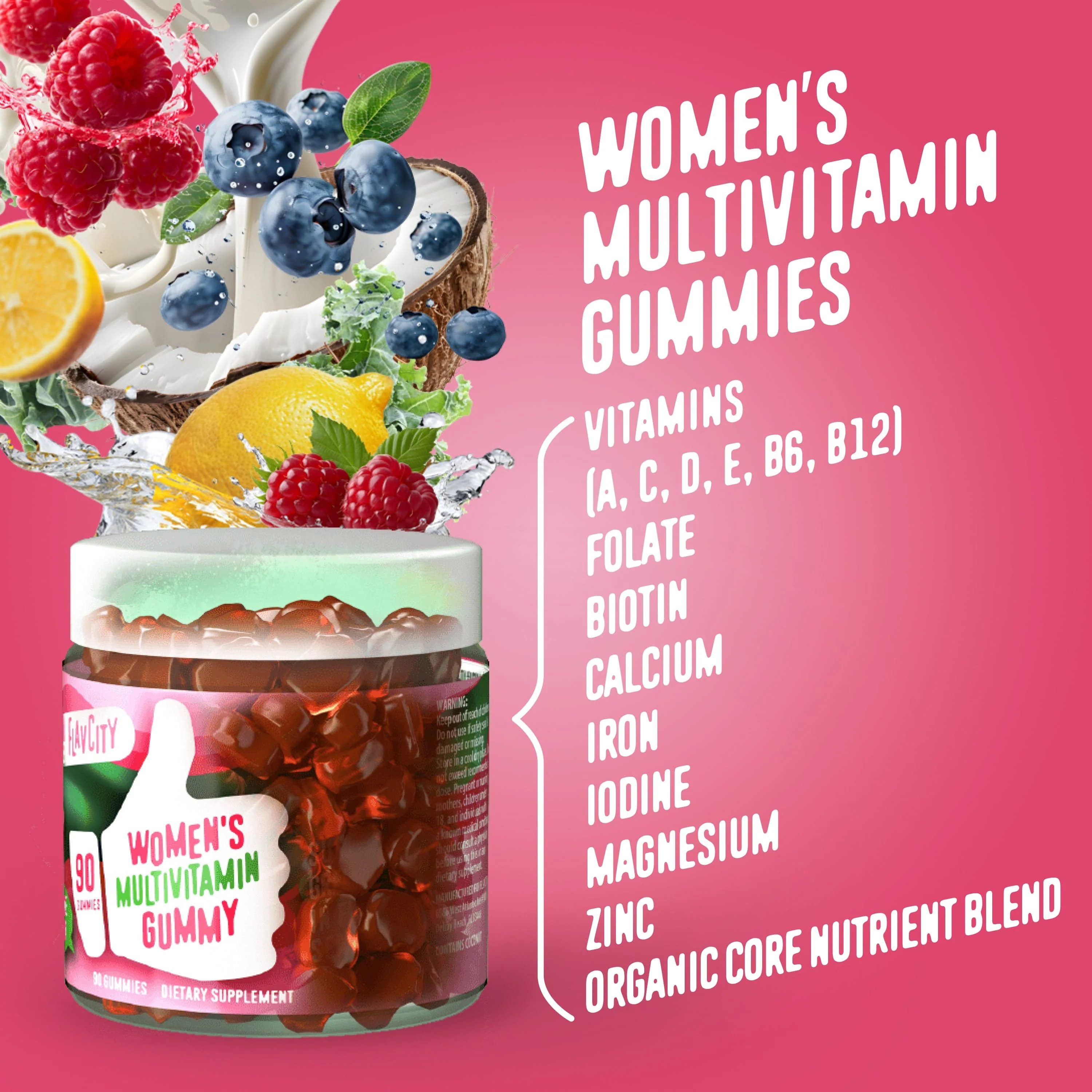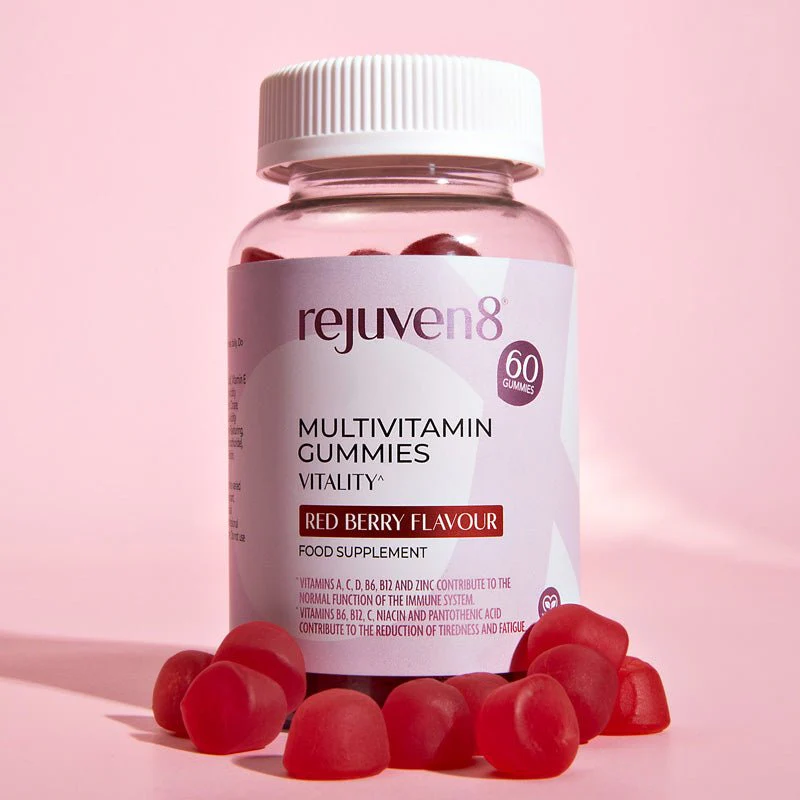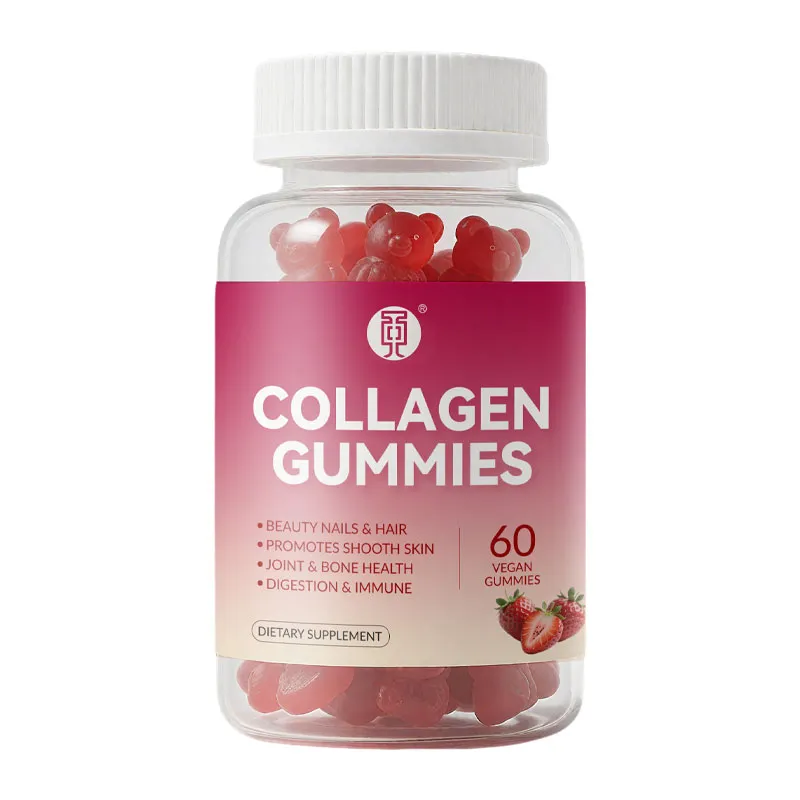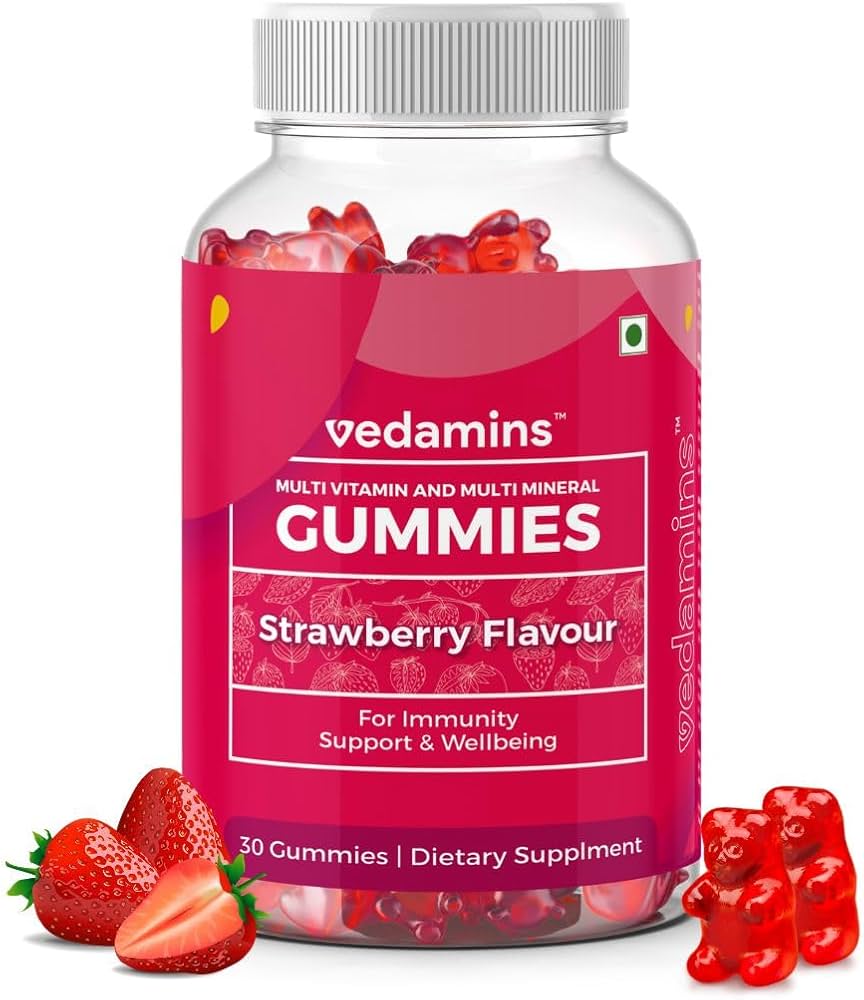
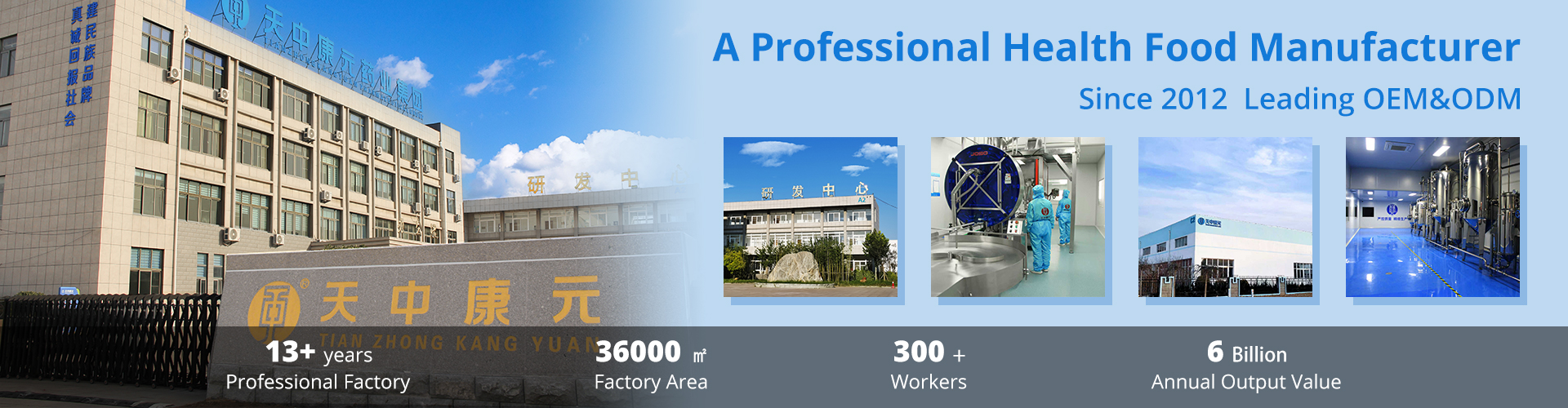
cGMP (current Good Manufacturing Practice) certification is not static—it demands continuous adherence to evolving FDA regulations. Tianzhong Kangyuan Pharmaceutical Group Co., Ltd operates as a premium gummy vitamins cGMP certified plant that has undergone four unannounced compliance verification audits since 2024, each confirming full alignment with 21 CFR Part 111 (dietary supplements) and Part 117 (food GMPs).
Manufacturing Strength Under cGMP Mandates
The group's 190,000㎡ production campus implements a cGMP-enforced environmental monitoring program that samples air, surfaces, and compressed gas at 147 defined locations every shift. Unlike plants that treat cGMP as a checklist, Tianzhong Kangyuan applies real-time deviation tracking where any out-of-specification result automatically halts production and triggers a root cause investigation within 4 hours. For multivitamin gummies containing moisture-sensitive ingredients, the facility maintains validated hold times (maximum time between compounding and depositing) of 45 minutes—30% shorter than cGMP minimum guidance. The thirteen continuous lines operate under change control management where any equipment or procedure modification requires cross-functional review by quality, engineering, and R&D. Annual cGMP-compliant capacity reaches 12 billion pieces.
Research Capabilities for cGMP Documentation
The group's 11,400㎡ analytical center maintains a validated method library of 78 test procedures, each with established specificity, linearity, accuracy, precision, and robustness as required by cGMP. A 2026 achievement involves completing a three-batch process validation for vitamin gummies using enhanced sampling (12 time points per batch) rather than the industry standard of three time points, generating data that supports reduced future testing frequency per cGMP continuous improvement provisions. The lab also validated a rapid endotoxin test for vitamin c gummies using recombinant factor C (rFC) technology—a method accepted by USP but not yet widely adopted in gummy manufacturing, positioning the plant ahead of cGMP expectations.
For Wellness Gummies containing coenzyme Q10 and alpha-lipoic acid, the R&D team developed a stability model that correlates dissolution rate to storage humidity, enabling the plant to set evidence-based retest periods rather than arbitrary 12-month intervals. This model was reviewed during the last cGMP audit and cited as a best practice for stability program design. The research group also created a cleaning validation protocol specific to gummy vitamins production, using total organic carbon (TOC) swabbing with acceptance criteria of <10 ppm for active ingredients—more stringent than the typical visual inspection allowed under cGMP.
Custom Solution Capabilities for cGMP-Compliant Production
Tianzhong Kangyuan's custom solution framework includes a "cGMP gap analysis" for each client formula, comparing the proposed process against all applicable sections of 21 CFR Parts 111 and 117. This analysis identifies potential compliance risks before production begins. For a New York-based functional food brand, the factory developed multivitamin gummies with a unique nine-mineral blend that required a revised blending sequence to prevent segregation. The team generated a complete validation report including mixing uniformity testing (10 sampling locations per batch) and provided it as part of the client's cGMP documentation for their own FDA inspections.
For a Canadian sports nutrition company needing gummy vitamins with creatine monohydrate, the group engineered a low-moisture gummy (Aw <0.65) that prevents creatine conversion to creatinine—a known cGMP concern where degradation products must be monitored. The custom solution included a stability protocol with creatinine testing at each time point. Another recent success involved vitamin c gummies with added camu camu extract, where the plant implemented a supplier qualification program specifically for botanical ingredients, including identity testing by HPTLC (high-performance thin-layer chromatography) and heavy metals screening per USP <232>. All cGMP custom solutions include a master batch record template tailored to the client's formula, deviation logging forms, and mock cGMP inspection training for the client's quality team.